Sodium Cocoyl Isethionate (SCI) for Mild Cleansing & Shampoo Bars
Bulk Sodium Cocoyl Isethionate for shampoo bars, syndet bars, facial cleansers and sulfate-free personal care formulations.
Sodium Cocoyl Isethionate, commonly known as SCI, is a mild anionic surfactant valued for its dense, creamy foam and comfortable skin feel.
It is especially popular in solid shampoo bars and syndet cleansing bars, but it can also be used in facial cleansers, body wash, baby care and other mild cleansing systems.
Tanmu Biotech supplies Sodium Cocoyl Isethionate for commercial production, with technical documentation, samples and international shipment support available for professional buyers.
Need a price for your formulation or production volume?
[Request Bulk SCI Price]
[Request Sample]
[Get COA / TDS / SDS]
Sodium Cocoyl Isethionate Specifications
| Item |
Specification |
| Product Name |
Sodium Cocoyl Isethionate |
| Abbreviation |
SCI |
| INCI Name |
Sodium Cocoyl Isethionate |
| CAS No. |
61789-32-0 |
| Molecular Formula |
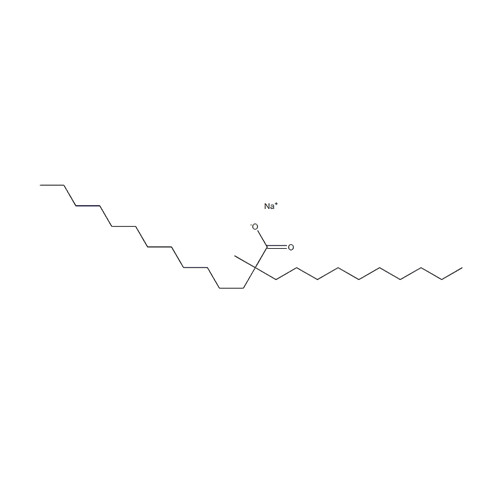
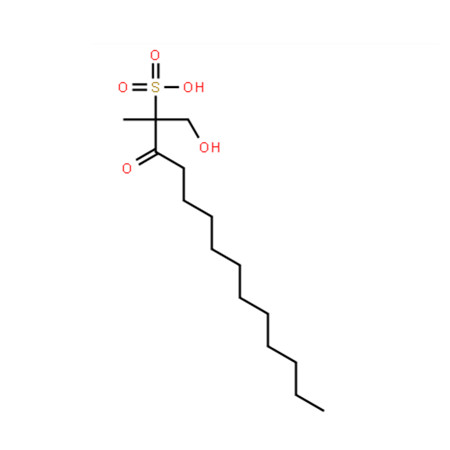
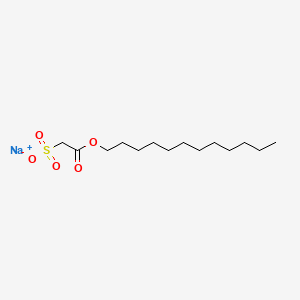
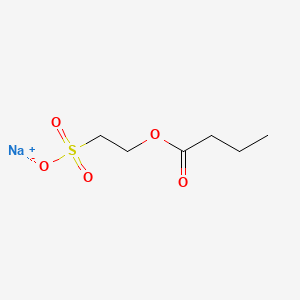
CH3(CH2)nCH2COOC2H4SO3Na |
| Available Form |
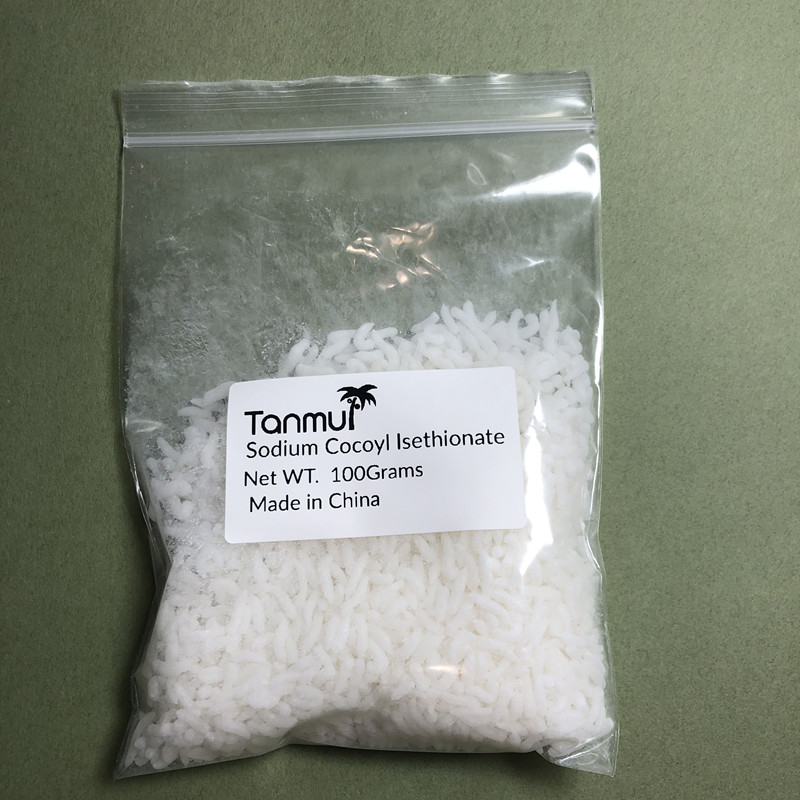
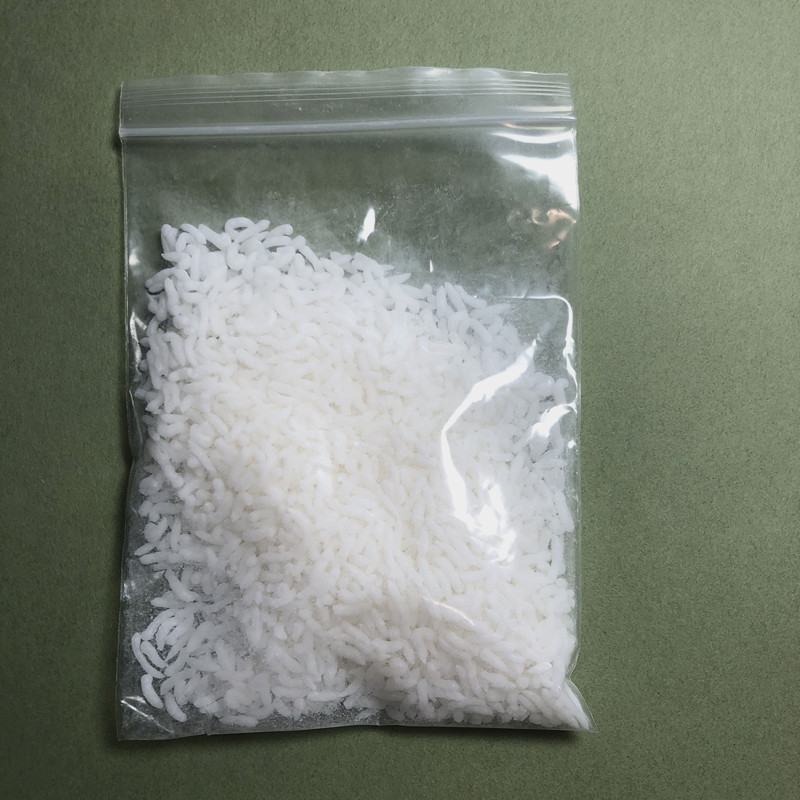
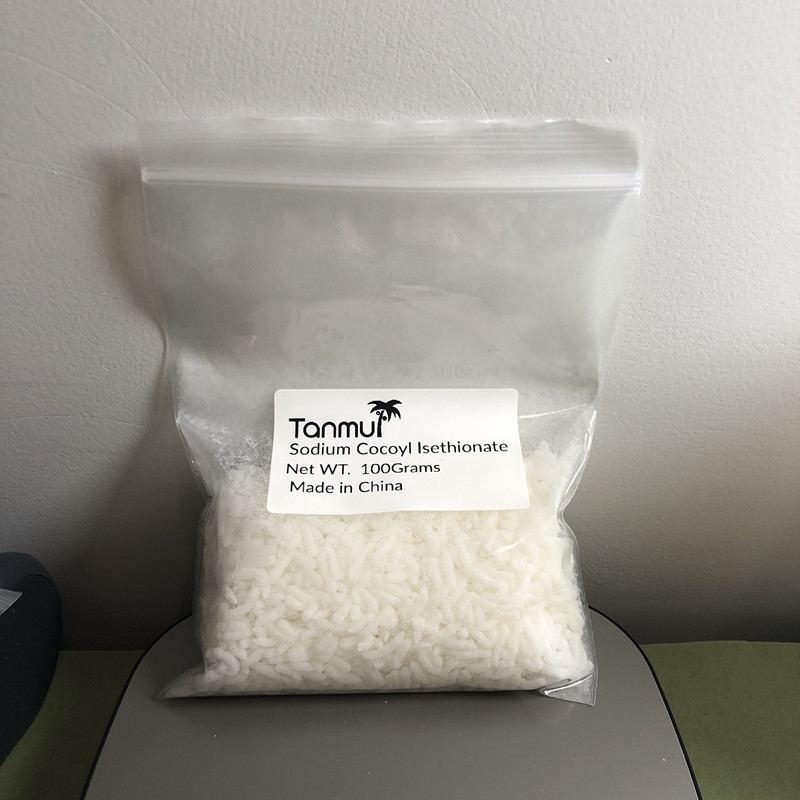
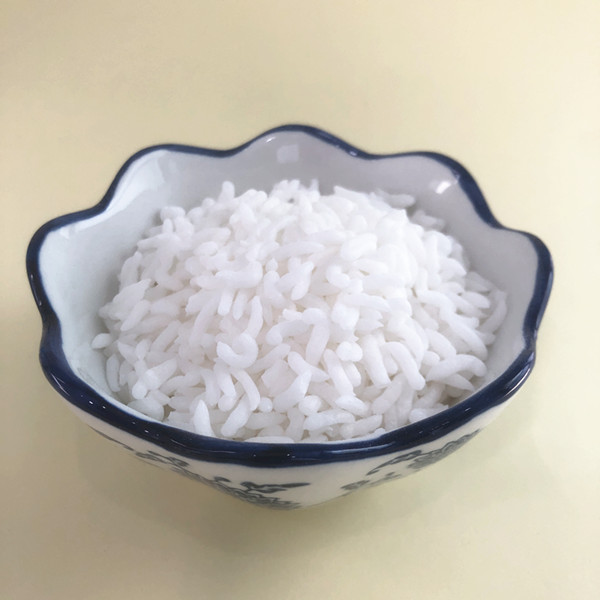
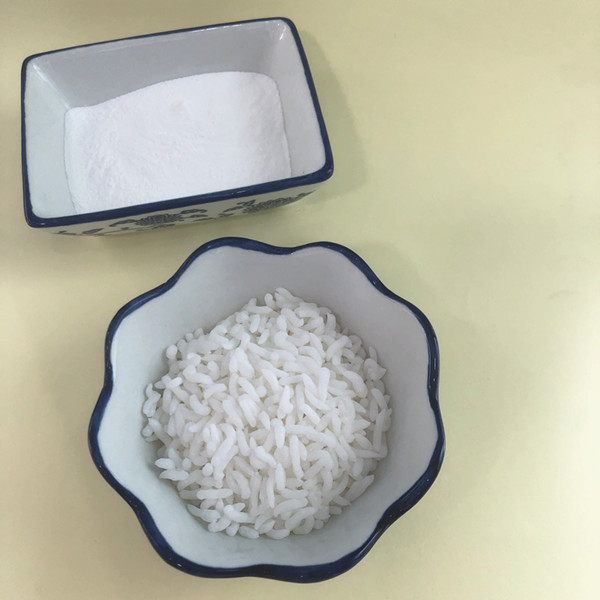
Granules |
| Application |
Shampoo bars, syndet bars, shampoo, facial cleanser, body wash and mild cleansing products |
| Standard Packing |
25 kg net per fiber drum |
| Bulk Packing |
500 kg net per supersack |
Please refer to the latest COA and TDS for the current batch specification.
What Is Sodium Cocoyl Isethionate?
Sodium Cocoyl Isethionate (SCI) is a mild anionic surfactant derived from fatty acids and isethionate chemistry.
In personal care formulations, SCI is used to provide cleansing and rich foam while helping formulators create milder cleansing systems than those based entirely on traditional high-detergency surfactants.
Because of its characteristic dense and creamy lather, SCI has become particularly well established in:
- solid shampoo bars
- syndet cleansing bars
- facial cleansers
- body cleansers
- sulfate-free cleansing formulations
It is sometimes referred to in the industry as “Baby Foam”, reflecting its long-standing use in mild cleansing applications.
Why Is SCI Popular in Shampoo Bars?
SCI has become one of the most widely used surfactants in modern solid shampoo bars.
The reason is not simply foam.
A well-formulated shampoo bar needs to balance cleansing performance, foam density, bar structure, processing characteristics and after-feel.
SCI can contribute:
- rich and creamy lather
- mild cleansing
- a dense bar structure
- good sensory properties
- compatibility with other mild surfactants
- flexibility in sulfate-free formulations
For formulators developing premium shampoo bars, SCI is often used as a primary surfactant or as part of a blended surfactant system.
Main Applications of Sodium Cocoyl Isethionate
Shampoo Bars
SCI is especially well known as a surfactant for shampoo bars.
It creates dense foam and works well in solid cleansing systems when combined with suitable co-surfactants, conditioning ingredients, oils and structuring agents.
Syndet Bars
SCI is widely used in synthetic detergent bars where formulators want a milder alternative to conventional soap-based cleansing systems.
Facial Cleansers
Its mild cleansing profile makes SCI suitable for powder cleansers, solid facial cleansers and selected cream or paste cleansing systems.
Shampoo
SCI can be incorporated into mild shampoo systems, although processing requirements depend on the product format and total surfactant blend.
Body Wash and Body Cleansers
SCI can be used together with other surfactants to create creamy foam and a softer cleansing profile.
Baby and Sensitive-Skin Cleansing Products
SCI is widely associated with mild personal care formulations. The suitability of any finished product for babies or sensitive skin should always be confirmed through appropriate formulation and safety evaluation.
SCI Granules vs SCI Powder
One of the most common questions from commercial buyers is whether to choose SCI granules or SCI powder.
| Feature |
SCI Granules |
SCI Powder |
| Dust during handling |
Lower |
Higher |
| Ease of weighing |
Good |
Good |
| Surface area |
Lower |
Higher |
| Processing speed |
Depends on process |
Can disperse faster in some systems |
| Solid shampoo production |
Very suitable |
Very suitable |
| Industrial handling |
Often preferred where dust reduction matters |
Useful where finer particle size is required |
Neither form is automatically “better.”
The most suitable choice depends on your equipment, formulation and manufacturing process.
If you are unsure which SCI form is suitable for your production line, send us your application and required quantity when requesting a quotation.
SCI vs SLSA
Both Sodium Cocoyl Isethionate (SCI) and Sodium Lauryl Sulfoacetate (SLSA) are used in mild cleansing formulations, but they are not interchangeable in every application.
| Property |
SCI |
SLSA |
| Main use |
Shampoo bars and syndet cleansers |
Bath products, shampoo bars and foaming products |
| Foam character |
Dense, creamy foam |
Rich, abundant foam |
| Solid shampoo bars |
Excellent |
Suitable |
| Syndet bars |
Excellent |
Suitable |
| Bath bombs |
Less commonly selected |
Very popular |
| Powder / solid systems |
Excellent |
Excellent |
| Sulfate-free positioning |
Yes |
Yes |
For shampoo bars and syndet cleansing bars, SCI is one of the most established choices.
For bath bombs and products where high foam volume is important, SLSA is often preferred.
Some formulators use both surfactants in different products within the same personal care range.
SCI vs SLMI
SCI and Sodium Lauroyl Methyl Isethionate (SLMI) belong to the broader family of mild isethionate surfactants, but their formulation behavior differs.
SCI is particularly well established in solid shampoo bars and syndet bars.
SLMI generally offers greater flexibility in some liquid cleansing systems.
A manufacturer choosing between SCI and SLMI should consider:
- finished product format
- required foam profile
- processing temperature
- water compatibility
- viscosity target
- manufacturing equipment
- desired sensory profile
For some formulations, combining mild surfactants can provide a better result than relying on a single surfactant.
How Is Sodium Cocoyl Isethionate Used?
SCI is normally incorporated into a surfactant phase or solid cleansing base according to the formulation process.
Because SCI is a solid surfactant, processing is different from simply adding a liquid surfactant directly into water.
The appropriate method depends on:
- SCI particle size
- formulation type
- co-surfactants
- water content
- processing temperature
- mixing equipment
- desired final texture
For industrial production, pilot testing is recommended before increasing batch size.
Typical SCI Use Level
The appropriate SCI concentration depends strongly on the finished product.
Solid shampoo bars and syndet bars may contain substantially more SCI than liquid cleansing formulations.
Rather than relying on a universal percentage, formulators should determine the level according to:
- total active surfactant matter
- cleansing target
- product format
- co-surfactants
- skin and hair feel
- stability
- processing conditions
Please consult the current technical documentation when developing a commercial formulation.
Is Sodium Cocoyl Isethionate Sulfate-Free?
Yes. Sodium Cocoyl Isethionate is commonly used in sulfate-free personal care formulations.
SCI should not be confused with Sodium Lauryl Sulfate (SLS) or Sodium Laureth Sulfate (SLES).
The similarity of some surfactant names can cause confusion, but SCI belongs to a different chemical class.
This is one reason SCI is frequently selected for modern sulfate-free shampoo bars and mild cleansing products.
Bulk Sodium Cocoyl Isethionate Supply
For commercial manufacturers and ingredient distributors, purchasing SCI usually involves more than comparing a price per kilogram.
Important sourcing considerations include:
- product form
- batch consistency
- technical specification
- packing
- order quantity
- shipping method
- documentation
- lead time
Tanmu Biotech supports commercial SCI orders for:
- cosmetic manufacturers
- shampoo bar manufacturers
- soap and syndet producers
- contract manufacturers
- private-label manufacturers
- personal care brands
- ingredient distributors
- formulation laboratories
Technical documents and samples are available for supplier evaluation.
Sodium Cocoyl Isethionate Price
The price of Sodium Cocoyl Isethionate depends on order quantity, product form, packing, destination and shipping terms.
For an accurate SCI quotation, please provide:
1. Required quantity
2. Preferred product form
3. Destination city or seaport
4. Required shipping term, if applicable
We can then provide an appropriate FOB, CIF or other commercial quotation.
[Request SCI Price]
Packaging
Current standard commercial packing:
25 kg net per fiber drum
Bulk packing:
500 kg net per supersack
Alternative packing requirements can be discussed for commercial quantities.
Technical Documents
Professional buyers may request available technical documentation including:
- Certificate of Analysis (COA)
- Technical Data Sheet (TDS)
- Safety Data Sheet (SDS / MSDS)
- Product specification
- Packing information
The latest batch COA should be used when confirming actual product specification.
[Download SCI COA]
[Request SCI TDS]
[Request SCI SDS]
Storage
Keep Sodium Cocoyl Isethionate in its original closed packaging in a cool, dry and well-ventilated location.
Protect the material from moisture and contamination.
Refer to the current SDS and TDS for complete storage and handling instructions.
Frequently Asked Questions About SCI
What does SCI stand for?
SCI stands for Sodium Cocoyl Isethionate, a mild anionic surfactant widely used in personal care cleansing products.
What is the CAS number of Sodium Cocoyl Isethionate?
The CAS number of Sodium Cocoyl Isethionate is 61789-32-0.
What is SCI used for?
SCI is commonly used in shampoo bars, syndet bars, facial cleansers, shampoos and other mild personal care cleansing formulations.
Is SCI good for shampoo bars?
Yes. Shampoo bars are one of the most established applications for Sodium Cocoyl Isethionate because SCI provides dense, creamy foam and works well in solid surfactant systems.
Is Sodium Cocoyl Isethionate sulfate-free?
Yes. SCI is commonly used in sulfate-free cleansing systems and is chemically different from SLS and SLES.
What is the difference between SCI powder and granules?
The main differences are particle size, dust generation and processing behavior. Granules generally produce less airborne dust, while finer powder offers greater surface area.
Is SCI the same as SLSA?
No. Sodium Cocoyl Isethionate and Sodium Lauryl Sulfoacetate are different surfactants with different formulation characteristics and preferred applications.
What is the difference between SCI and SLMI?
SCI is particularly well established in solid shampoo and syndet bars, while SLMI can offer advantages in certain liquid and water-based cleansing systems.
Can I buy Sodium Cocoyl Isethionate in bulk?
Yes. SCI is available for commercial and bulk purchasing. Pricing depends on quantity, packing and destination.
Can I request an SCI sample before ordering?
Samples can be provided for formulation testing and supplier qualification. Contact us with your required form and application.
Do you provide SCI COA, TDS and SDS?
Yes. Available quality and technical documents can be supplied for professional customer evaluation.
How can I get an SCI price?
Send your required quantity, preferred product form and destination city or seaport to receive a commercial quotation.
Request a Sodium Cocoyl Isethionate Quotation
If you are evaluating a new Sodium Cocoyl Isethionate supplier, tell us what you are producing and how much SCI you require.
We can support your supplier evaluation with:
Product specification + COA / TDS / SDS + sample + commercial quotation
Product: Sodium Cocoyl Isethionate
Abbreviation: SCI
CAS: 61789-32-0
Current Form: Granules
Standard Packing: 25 kg/drum
Applications: Shampoo bars, syndet bars and mild personal care cleansing products
[Request Bulk Price]
[Request Sample]



 Sales Manager
 Sales Manager